Silent. Deadly. Overlooked.
These are the words that often describe ovarian cancer — a disease that affects hundreds of thousands of women globally but rarely gets the spotlight it deserves. While breast cancer awareness campaigns paint the world pink, ovarian cancer remains the lesser-known threat in the realm of women’s health.
World Ovarian Cancer Day, observed on May 8, is a powerful reminder that this silence must be broken. In 2025, the campaign theme “No Woman Left Behind” underscores the global call for equity in diagnosis, treatment, and survivorship — regardless of geography, income, or background.
In this blog, we’ll explore what ovarian cancer is, the challenges surrounding its detection and treatment, and why global awareness days like this matter more than ever.
What is Ovarian Cancer?
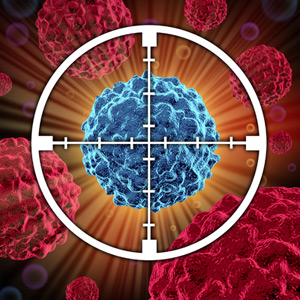
Ovarian cancer begins in the ovaries — the small organs in the female reproductive system responsible for producing eggs and the hormones estrogen and progesterone. It is one of the most serious cancers affecting the female reproductive system, often going undetected until it has spread within the pelvis and abdomen.
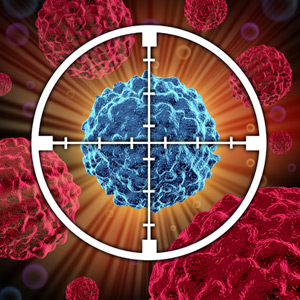
There are several types of ovarian cancer, but the most common is epithelial ovarian cancer, which begins on the surface layer of the ovary. Less common types include germ cell tumours and stromal tumours, which typically affect younger women.
Key Facts:
- Ovarian cancer is the 8th most common cancer among women worldwide.
- It causes more deaths than any other cancer of the female reproductive system.
- More than 70% of women are diagnosed at an advanced stage, where survival rates are lower.
Symptoms: The Subtle Red Flags
One of the most dangerous aspects of ovarian cancer is how vague and non-specific the symptoms are. They are often mistaken for less serious conditions like indigestion or hormonal changes.
Common Symptoms Include:
- Persistent bloating
- Pelvic or abdominal pain
- Feeling full quickly when eating
- Urinary urgency or frequency
- Fatigue and back pain
These symptoms may seem benign, but if they persist for more than two weeks, it’s time to consult a doctor. Early detection significantly improves the chances of successful treatment.
Risk Factors and Prevention
While the exact cause of ovarian cancer is unknown, several risk factors have been identified:
Risk Factors:
- Family history of ovarian, breast, or colorectal cancer
- BRCA1 and BRCA2 gene mutations
- Age (most cases occur in women over 50)
- Endometriosis
- Hormone replacement therapy
Prevention and Screening:
There is no reliable screening test for ovarian cancer, unlike Pap smears for cervical cancer. However, transvaginal ultrasound and CA-125 blood tests can help detect potential abnormalities in high-risk individuals.
For women with a strong family history or BRCA mutations, preventive strategies like genetic counseling, risk-reducing salpingo-oophorectomy (RRSO), and regular monitoring may be advised.
Treatment Options
The mainstay treatments for ovarian cancer include:
- Surgery to remove the tumour and affected tissues
- Chemotherapy, typically platinum-based drugs
- Targeted therapy, such as PARP inhibitors (especially for BRCA-mutated cancers)
- Immunotherapy, still under research for effectiveness in ovarian cancer
Treatment plans depend on the type and stage of the cancer, the patient’s overall health, and genetic markers.
World Ovarian Cancer Day: Why It Matters
Observed on May 8 every year, World Ovarian Cancer Day unites the global community to raise awareness and advocate for those affected by ovarian cancer.
The 2025 theme, “No Woman Left Behind”, is a direct response to glaring inequalities in healthcare access and outcomes. Women in low-income countries or rural areas are far more likely to be diagnosed late and receive inadequate care.;
The campaign calls for:
- Equal access to early diagnosis and life-saving treatments
- Education campaigns to help women recognise symptoms early
- Funding for research into new treatments and early detection tools
- It’s not just about raising awareness — it’s about saving lives through global solidarity, health equity, and informed decision-making.
The Emotional Journey: Beyond Medicine
Ovarian cancer affects more than just the body. It impacts a woman’s mental health, relationships, fertility, and identity. Survivors often talk about a sense of isolation because so few people understand what they are going through.
This is why awareness days are not merely symbolic — they create safe spaces, foster empathy, and amplify voices that would otherwise go unheard.
If we want to change outcomes, we must change the conversation.
What You Can Do
You don’t need to be a doctor to make a difference. Here’s how you can support the fight against ovarian cancer:
- Know the symptoms and talk about them
- Encourage loved ones to get checked if something feels wrong
- Support organisations that fund ovarian cancer research and patient support
- Use your social media to share facts and personal stories on May 8
- Volunteer or donate to local cancer care initiatives
FAQs;
Q1: Can ovarian cancer be detected early?
Currently, there is no standard screening test for the general population. However, women with risk factors should undergo regular monitoring, including ultrasound and CA-125 tests, under a doctor’s guidance.
Q2: Is ovarian cancer hereditary?
Yes, in some cases. About 15-20% of ovarian cancers are linked to inherited mutations, particularly BRCA1 and BRCA2. Genetic counseling is recommended for women with a family history of breast or ovarian cancer.
Q3: What is the survival rate for ovarian cancer?
The survival rate varies by stage. Early-stage detection has a 90% survival rate, but unfortunately, most cases are diagnosed late — where survival drops below 30%. This makes early detection and awareness crucial.
Conclusion
Ovarian cancer may be silent, but we don’t have to be.
On World Ovarian Cancer Day, let us raise our voices for every woman who didn’t know until it was too late. Let us ensure that in our pursuit of health equity, no woman is left behind — in awareness, in access, or in care.
The more we talk, the more lives we can save.
Let this May 8 be more than a date — let it be a turning point.