Cancer remains one of the leading causes of death worldwide—but the encouraging news is that many types of cancer can be prevented through small yet powerful lifestyle changes. While genetics play a role, research shows that over 30% of cancer cases are linked to lifestyle and environmental factors. By adopting a few healthy habits, you can take charge of your wellbeing and significantly reduce your cancer risk.
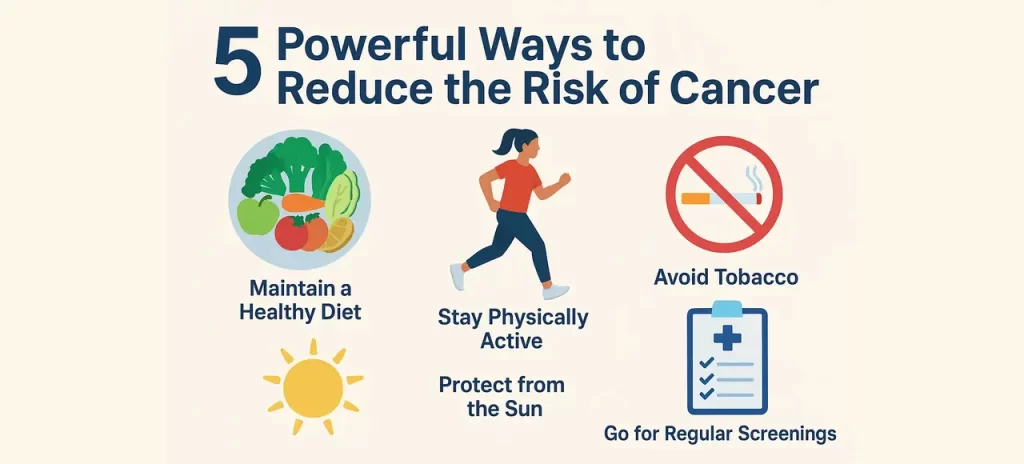
Here are five scientifically backed ways to reduce your risk of cancer and promote long-term health.
1. Maintain a Healthy Diet Rich in Natural Antioxidants
What you eat has a profound effect on your body’s defense against cancer. A diet rich in fresh fruits, vegetables, whole grains, and lean proteins can help prevent cell damage and inflammation.
Key tips:
- Include plenty of colorful vegetables and fruits like carrots, berries, tomatoes, and leafy greens. They contain antioxidants that neutralize free radicals—molecules that damage DNA.
- Limit processed foods, refined sugar, and red meat which are linked to higher cancer risks, especially colorectal cancer.
- Add anti-inflammatory foods such as turmeric, garlic, ginger, and olive oil.
- Stay hydrated—water helps the body flush out toxins.
Read about the American Cancer Society’s guidelines on diet and nutrition.
2. Stay Physically Active and Maintain a Healthy Weight
Obesity is strongly linked to several cancers, including breast, colon, pancreatic, and kidney cancers. Regular physical activity not only helps you maintain a healthy weight but also reduces inflammation and regulates hormones like estrogen and insulin, which can influence cancer growth.
Recommended routine:
- Aim for 150 minutes of moderate exercise (like brisk walking or cycling) or 75 minutes of vigorous activity (like running or swimming) every week.
- Add strength training at least twice a week.
- Avoid prolonged sitting—take short walking breaks every hour.
Exercise doesn’t have to be intense or gym-based. Even simple activities like gardening or dancing can boost your body’s defenses against disease.
3. Avoid Tobacco and Limit Alcohol Consumption
This is one of the most critical steps you can take. Tobacco use causes about a major percent of cancer deaths globally, including cancers of the lungs, throat, mouth, pancreas, and bladder. Even passive smoking poses serious risks.
If you smoke:
- Seek help through counseling or nicotine replacement therapy.
- Join support groups or helplines dedicated to quitting tobacco.
Regarding alcohol:
While moderate alcohol consumption may seem harmless, excessive drinking increases the risk of cancers of the mouth, throat, liver, breast, and colon. Try to limit intake to no more than one drink per day for women and two for men—or eliminate it altogether.
Explore the World Health Organization’s guide to quitting tobacco.
4. Protect Yourself from the Sun and Harmful UV Radiation
Skin cancer is one of the most preventable forms of cancer. Ultraviolet (UV) radiation from the sun or tanning beds damages skin cells, leading to premature aging and increased cancer risk.
Simple precautions:
- Use a broad-spectrum sunscreen with SPF 30 or higher every day.
- Avoid direct sunlight during peak hours (10 AM–4 PM).
- Wear protective clothing, hats, and sunglasses.
- Skip tanning beds entirely—no tan is worth the long-term damage.
Even cloudy days can cause UV exposure, so make sun protection part of your daily routine.
5. Go for Regular Health Screenings and Early Detection
Regular screenings can catch cancer early, often before symptoms appear—when it’s most treatable. Your doctor can recommend which tests are right for you based on age, gender, and family history.
Common screenings include:
- Mammograms for breast cancer.
- Pap tests and HPV screening for cervical cancer.
- Colonoscopy for colorectal cancer.
- PSA tests for prostate cancer.
Don’t ignore warning signs like unexplained weight loss, persistent fatigue, or changes in moles or skin tone. Early detection can make all the difference.
Learn more about recommended cancer screening schedules by the CDC.
Bonus Tip: Prioritize Mental and Emotional Wellbeing
Chronic stress, lack of sleep, and emotional burnout can weaken your immune system and increase the likelihood of unhealthy habits such as overeating or smoking.
Practice relaxation techniques such as yoga, meditation, or deep breathing exercises. Maintaining strong social connections and engaging in activities you love can also protect your health in surprising ways.
Final Thoughts
Preventing cancer isn’t about perfection—it’s about consistent, mindful choices every day. By eating a balanced diet, staying active, avoiding tobacco, protecting your skin, and keeping up with screenings, you can take powerful steps toward a longer, healthier life.
Remember, cancer prevention is in your hands—start with one change today.
Frequently Asked Questions (FAQs)
1. Can cancer be prevented completely?
Not all cancers are preventable, but studies show that over one-third of cancer cases can be avoided by adopting a healthy lifestyle, avoiding carcinogens like tobacco, and staying up to date on screenings.
2. Does genetics play a major role in cancer risk?
Genetics can influence your predisposition, but environmental and lifestyle factors usually have a stronger impact. Even with a family history, lifestyle modifications can significantly lower your overall risk.
3. Are supplements effective for cancer prevention?
While certain vitamins and minerals support overall health, supplements should not replace a balanced diet. It’s best to get nutrients from natural foods and consult your doctor before starting any supplement regimen.