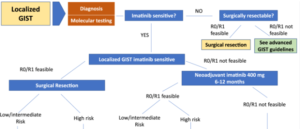
Understanding Gastrointestinal Stromal Tumors (GISTs)
Gastrointestinal stromal tumours (GISTs) are a rare type of cancer that occurs in the digestive tract, most commonly in the stomach or small intestine.
Gastrointestinal stromal tumours (GISTs) are a rare type of cancer that occurs in the digestive tract, most commonly in the stomach or small intestine.
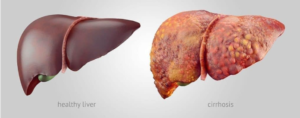
Liver cancer is a serious and often life-threatening condition that affects thousands of people worldwide
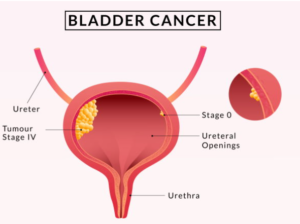
Bladder cancer, though not as widely discussed as other forms of cancer, is a significant health concern worldwide. Understanding its signs, symptoms, treatment options, and prevention measures is crucial for early detection and effective management.
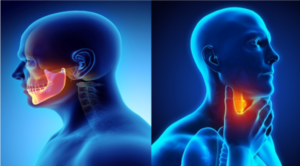
As April dawns upon us, it’s important to recognize that it marks Head and Neck Cancer Awareness Month. Head and neck cancer refers to a group of cancers that originate in the oral cavity, throat, larynx, nose, sinuses, or salivary glands. This is a crucial time to raise awareness and emphasize the significance of early detection in combating this form of cancer. In this blog, we’ll talk about the symptoms, causes, diagnosis, and treatment options for head and neck cancer, highlighting the importance of awareness in saving lives.
Chemotherapy Understanding the Essentials reveals the intricacies of one of the most prominent cancer treatments,

Cancer, a disease characterized by the uncontrolled growth of abnormal cells, is a leading cause
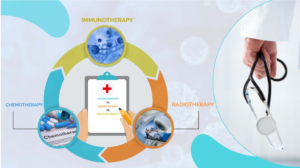
The question of the best cancer treatment, specifically whether chemotherapy or radiation therapy is more effective, is complex. This blog post will explore both treatments, highlighting their advantages, disadvantages, and how they are used in the fight against cancer.
Cancer is a formidable adversary that affects millions of lives worldwide. When individuals go through
In this article, Dr. Arun Chandrasekharan, one of the best oncologist and best head and
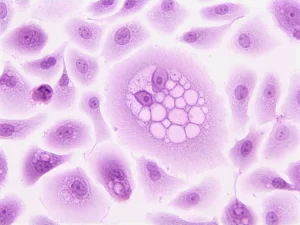
How common is soft tissue sarcoma? If you or someone you know has been recently

Cancer remains one of the leading causes of death worldwide—but

Cancer has always been viewed as a battle—one fought with surgery, chemotherapy, radiation, and advanced immunotherapies. These treatments share a common goal: destroy cancer cells before they destroy the body. But what if, instead of killing cancer cells, we could reprogram them back into healthy, normal cells?

Cancer treatment has come a long way from a one-size-fits-all approach. Today, medicine is moving towards personalized therapy—treatments tailored to the unique genetic makeup of each patient’s cancer. One of the most powerful tools driving this shift is Next Generation Sequencing (NGS).