5 Powerful Ways to Reduce the Risk of Cancer
Cancer remains one of the leading causes of death worldwide—but the encouraging news is that
Cancer remains one of the leading causes of death worldwide—but the encouraging news is that

Cancer has always been viewed as a battle—one fought with surgery, chemotherapy, radiation, and advanced immunotherapies. These treatments share a common goal: destroy cancer cells before they destroy the body. But what if, instead of killing cancer cells, we could reprogram them back into healthy, normal cells?

A brain tumour is a growth of abnormal cells in the brain or around it. While the word “tumour” often creates fear, it’s important to understand that not all brain tumours are cancerous.
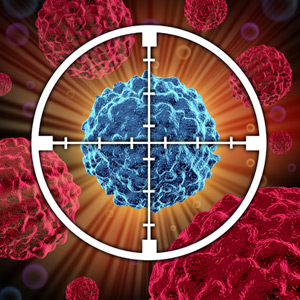
World Ovarian Cancer Day, observed on May 8, is a powerful reminder that this silence must be broken. In 2025, the campaign theme “No Woman Left Behind” underscores the global call for equity in diagnosis, treatment, and survivorship — regardless of geography, income, or background.
When it comes to cancer, early detection can make all the difference. Yet many people tend to dismiss or overlook the early symptoms, attributing them to minor illnesses, age, or lifestyle factors. While not every unusual symptom is a sign of cancer, staying informed and paying attention to persistent changes in your body is important. This blog aims to highlight some of the early warning signs that may point to cancer and why they should not be ignored.
Every February, Gallbladder and Bile Duct Cancer Awareness Month aims to educate people about these rare but serious cancers. Often undetected until advanced stages, these cancers require more awareness for early detection and better treatment outcomes.
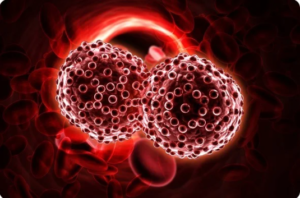
Cancer is a life-altering disease that affects millions of lives worldwide, making early detection and awareness crucial. Understanding the signs of cancer can save lives by facilitating timely diagnosis and treatment. This blog aims to educate you on the common warning signs, risk factors, and preventive measures you can take to reduce the risk of cancer.
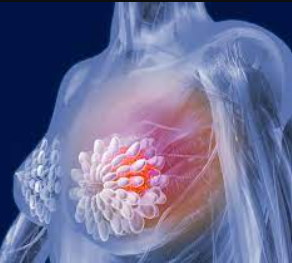
Breast cancer is one of the most common cancers affecting women worldwide. With millions of cases diagnosed every year, raising awareness about this disease is crucial to improving early detection and survival rates.
Cancer is a challenging journey, and even after treatment, the question, “Can cancer come back?” often lingers in the minds of survivors and their loved ones.
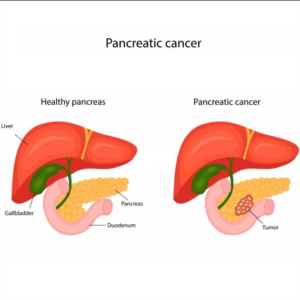
Pancreatic cancer remains one of the most challenging diseases to diagnose and treat. This comprehensive guide explores its definition, causes, symptoms, treatment options, and prevention strategies, aiming to provide valuable insights for those seeking to understand this severe condition.
Cancer remains one of the leading causes of death worldwide—but
Cancer has always been viewed as a battle—one fought with surgery, chemotherapy, radiation, and advanced immunotherapies. These treatments share a common goal: destroy cancer cells before they destroy the body. But what if, instead of killing cancer cells, we could reprogram them back into healthy, normal cells?

Cancer treatment has come a long way from a one-size-fits-all approach. Today, medicine is moving towards personalized therapy—treatments tailored to the unique genetic makeup of each patient’s cancer. One of the most powerful tools driving this shift is Next Generation Sequencing (NGS).