5 Powerful Ways to Reduce the Risk of Cancer
Cancer remains one of the leading causes of death worldwide—but the encouraging news is that
Cancer remains one of the leading causes of death worldwide—but the encouraging news is that

Cancer has always been viewed as a battle—one fought with surgery, chemotherapy, radiation, and advanced immunotherapies. These treatments share a common goal: destroy cancer cells before they destroy the body. But what if, instead of killing cancer cells, we could reprogram them back into healthy, normal cells?

Cancer treatment has come a long way from a one-size-fits-all approach. Today, medicine is moving towards personalized therapy—treatments tailored to the unique genetic makeup of each patient’s cancer. One of the most powerful tools driving this shift is Next Generation Sequencing (NGS).

Gastrointestinal Stromal Tumour (GIST) is a rare type of cancer that forms in the digestive tract. Despite being uncommon, GIST is the most prevalent mesenchymal tumour of the gastrointestinal tract. Early detection,

A brain tumour is a growth of abnormal cells in the brain or around it. While the word “tumour” often creates fear, it’s important to understand that not all brain tumours are cancerous.
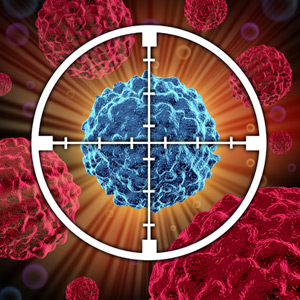
World Ovarian Cancer Day, observed on May 8, is a powerful reminder that this silence must be broken. In 2025, the campaign theme “No Woman Left Behind” underscores the global call for equity in diagnosis, treatment, and survivorship — regardless of geography, income, or background.
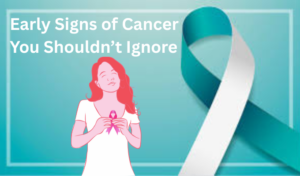
When it comes to cancer, early detection can make all the difference. Yet many people tend to dismiss or overlook the early symptoms, attributing them to minor illnesses, age, or lifestyle factors. While not every unusual symptom is a sign of cancer, staying informed and paying attention to persistent changes in your body is important. This blog aims to highlight some of the early warning signs that may point to cancer and why they should not be ignored.

March is recognised as Colorectal Cancer Awareness Month, a time dedicated to spreading awareness about one of the most common and preventable cancers. Colorectal cancer affects the colon or rectum and can be life-threatening if not detected early. However, regular screening and lifestyle changes can significantly reduce the risk.
Every February, Gallbladder and Bile Duct Cancer Awareness Month aims to educate people about these rare but serious cancers. Often undetected until advanced stages, these cancers require more awareness for early detection and better treatment outcomes.

Cancer remains one of the leading causes of mortality worldwide, yet not all cancers receive equal attention or have the same survival outcomes. Among these are the lesser-known and more deadly cancers collectively referred to as Less Survivable Cancers (LSCs). These include pancreatic, liver, lung, oesophageal, stomach, and brain cancers. Together, they account for a significant proportion of cancer-related deaths but often lack the public awareness necessary to improve outcomes.
Cancer remains one of the leading causes of death worldwide—but
Cancer has always been viewed as a battle—one fought with surgery, chemotherapy, radiation, and advanced immunotherapies. These treatments share a common goal: destroy cancer cells before they destroy the body. But what if, instead of killing cancer cells, we could reprogram them back into healthy, normal cells?
Cancer treatment has come a long way from a one-size-fits-all approach. Today, medicine is moving towards personalized therapy—treatments tailored to the unique genetic makeup of each patient’s cancer. One of the most powerful tools driving this shift is Next Generation Sequencing (NGS).